
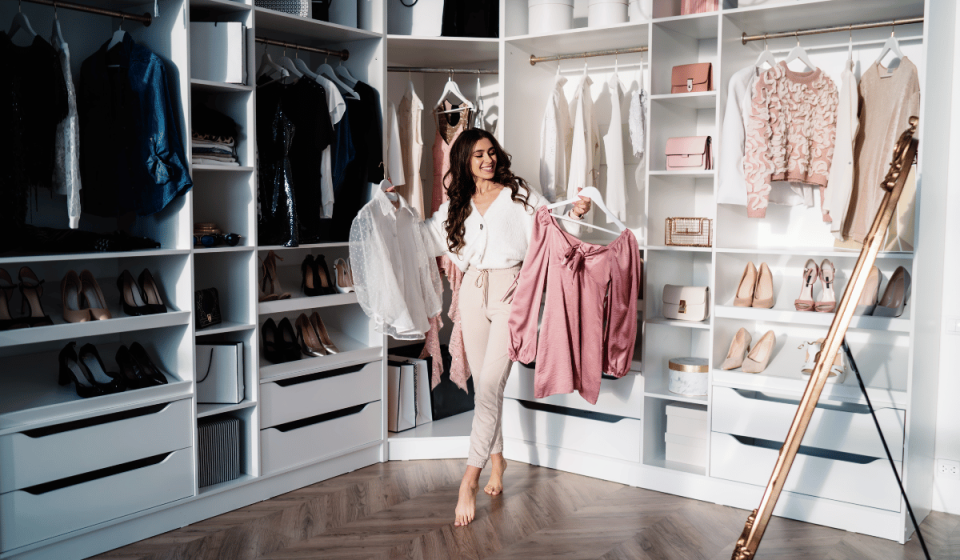
A versatile wardrobe simplifies daily dressing while maximizing style options. Instead of owning more clothes, the goal is to own the right clothes—pieces that work together, adapt to different occasions, and reflect your lifestyle. With thoughtful planning, you can create outfits that feel fresh without constant shopping.
Start With a Clear Lifestyle Assessment
Before buying anything, understand how you actually live. Your wardrobe should support your routine, not an idealized version of it.
Consider:
- How often you dress casually versus formally
- Climate and seasonal changes
- Work, social, and personal activities
This clarity prevents impulse purchases and ensures every piece earns its place.
Build Around a Neutral Color Palette
Neutral colors form the backbone of a flexible wardrobe. They mix easily and allow for endless outfit combinations.
Core neutral tones include:
- Black, white, gray
- Navy, beige, camel
Once your base is established, adding accent colors becomes effortless without overwhelming your closet.
Choose Timeless, Multi-Purpose Pieces
Versatility comes from clothing that works in more than one setting. Prioritize silhouettes and fabrics that transition smoothly.
Look for items that can be:
- Dressed up or down
- Layered across seasons
- Styled in multiple ways
Examples include tailored trousers, classic shirts, and simple outerwear.
Focus on Fit Over Trends
Even the most versatile piece loses impact if it doesn’t fit well. Proper fit instantly makes outfits look intentional and polished.
Fit-first benefits:
- Enhances comfort and confidence
- Improves outfit cohesion
- Reduces the need for constant replacements
Simple tailoring can turn basic items into wardrobe heroes.
Master the Art of Layering
Layering expands your outfit options without adding more clothes. A single piece can look completely different depending on how it’s styled.
Effective layering includes:
- Lightweight tops under jackets or sweaters
- Shirts worn open over tees
- Outerwear that works across temperatures
This approach keeps outfits functional and visually interesting year-round.
Invest in Versatile Footwear
Shoes often dictate how formal or casual an outfit feels. A small, thoughtful selection can cover most situations.
Key footwear categories:
- Everyday casual shoes
- Polished options for work or events
- Comfortable styles for long wear
When shoes align with your wardrobe’s color palette, coordination becomes effortless.
Use Accessories to Expand Outfit Options
Accessories allow repetition without looking repetitive. They shift mood, season, and formality instantly.
Useful accessories include:
- Belts to define shape
- Bags that suit multiple occasions
- Simple jewelry for everyday wear
These elements refresh outfits without requiring new clothing.
Edit Regularly and Intentionally
A versatile wardrobe stays effective through regular review. Removing unused items creates clarity and prevents clutter.
Make it a habit to:
- Reassess pieces each season
- Let go of items that no longer fit your life
- Identify gaps before shopping
Editing is just as important as adding.
Prioritize Quality Over Quantity
Fewer well-made items outperform a closet full of low-quality clothing. Quality fabrics and construction last longer and look better over time.
This mindset leads to:
- Reduced waste
- Better cost-per-wear
- A wardrobe you trust daily
Consistency beats excess.
Frequently Asked Questions
1. How many clothes does a versatile wardrobe usually include?
There’s no fixed number, but many people find 30–50 well-chosen pieces more than sufficient.
2. Can a versatile wardrobe still reflect personal style?
Yes, versatility provides structure while colors, textures, and accessories express individuality.
3. Is a capsule wardrobe the same as a versatile wardrobe?
A capsule wardrobe is a method, while versatility is the goal. Not all versatile wardrobes are strict capsules.
4. How often should a wardrobe be updated?
Seasonal check-ins are usually enough, focusing on replacement rather than constant addition.
5. Does versatility mean avoiding trends completely?
Not at all. Trends can be included selectively if they work with existing pieces.
6. How do I avoid getting bored with fewer clothes?
Creative styling, layering, and accessories help keep outfits feeling new.
7. What’s the biggest mistake people make when building a wardrobe?
Buying items in isolation instead of considering how they work with what’s already owned.
Building a versatile wardrobe isn’t about limitation—it’s about intention. With thoughtful choices, your clothing works harder, lasts longer, and supports your lifestyle with ease and confidence.
